
Custom commerce platforms
Medusa modules, workflows, pricing logic, and admin extensions shaped around your operating model.
Lyzant builds Medusa commerce platforms for teams that need custom storefronts, backend workflows, integrations, migrations, and dependable support after launch.
Last updated: June 2, 2026
API-first
commerce architecture
B2B + B2C
workflow coverage
Multi-region
pricing and fulfillment
Post-launch
support included
We design the backend, storefront, and operations as one system, with extra focus on catalog, cart, checkout, payments, fulfillment, and customer accounts.
Medusa modules, workflows, pricing logic, and admin extensions shaped around your operating model.
Fast Next.js buyer experiences connected to product, cart, checkout, and account APIs.
Payment, shipping, ERP, tax, analytics, CRM, email, and fulfillment systems connected with clear contracts.
Release planning, regression checks, checkout monitoring, upgrades, and roadmap delivery after launch.
We use Medusa's modular architecture to keep business logic explicit, testable, and ready for future channels. The result is less plugin dependency and more control over how your store actually works.
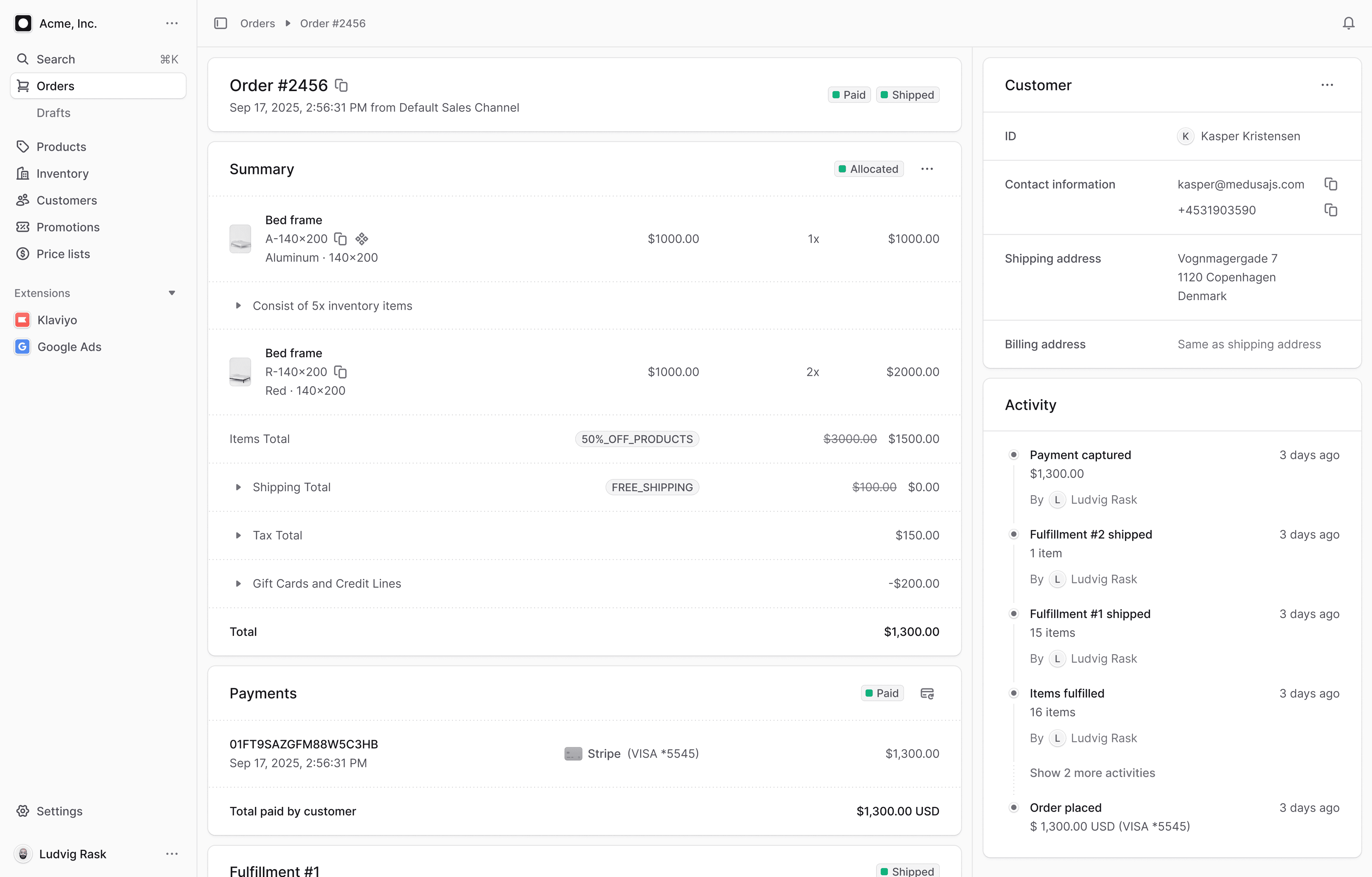
We scope each engagement around the flows that affect sales, operations, and future platform growth.
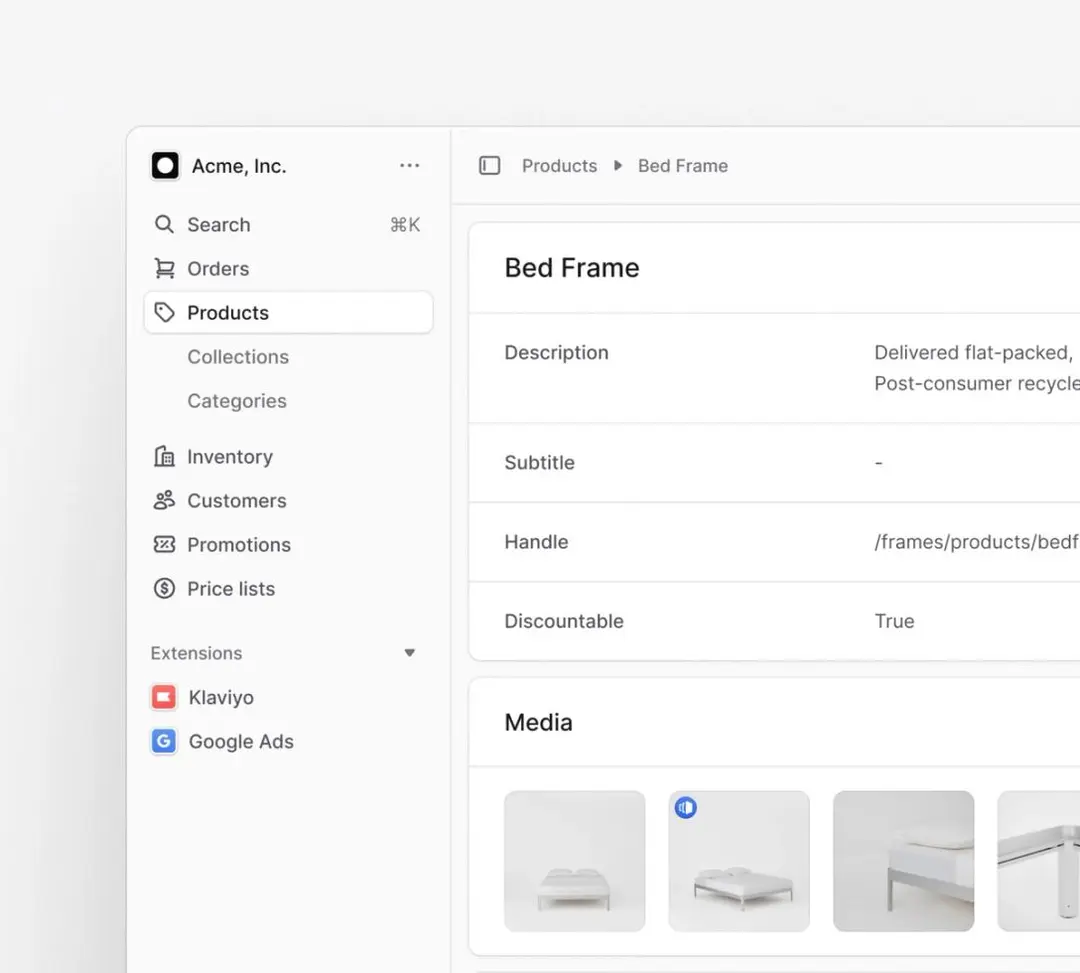
Normalize products, variants, collections, media, inventory, and pricing so merchandising teams can move without engineering bottlenecks.
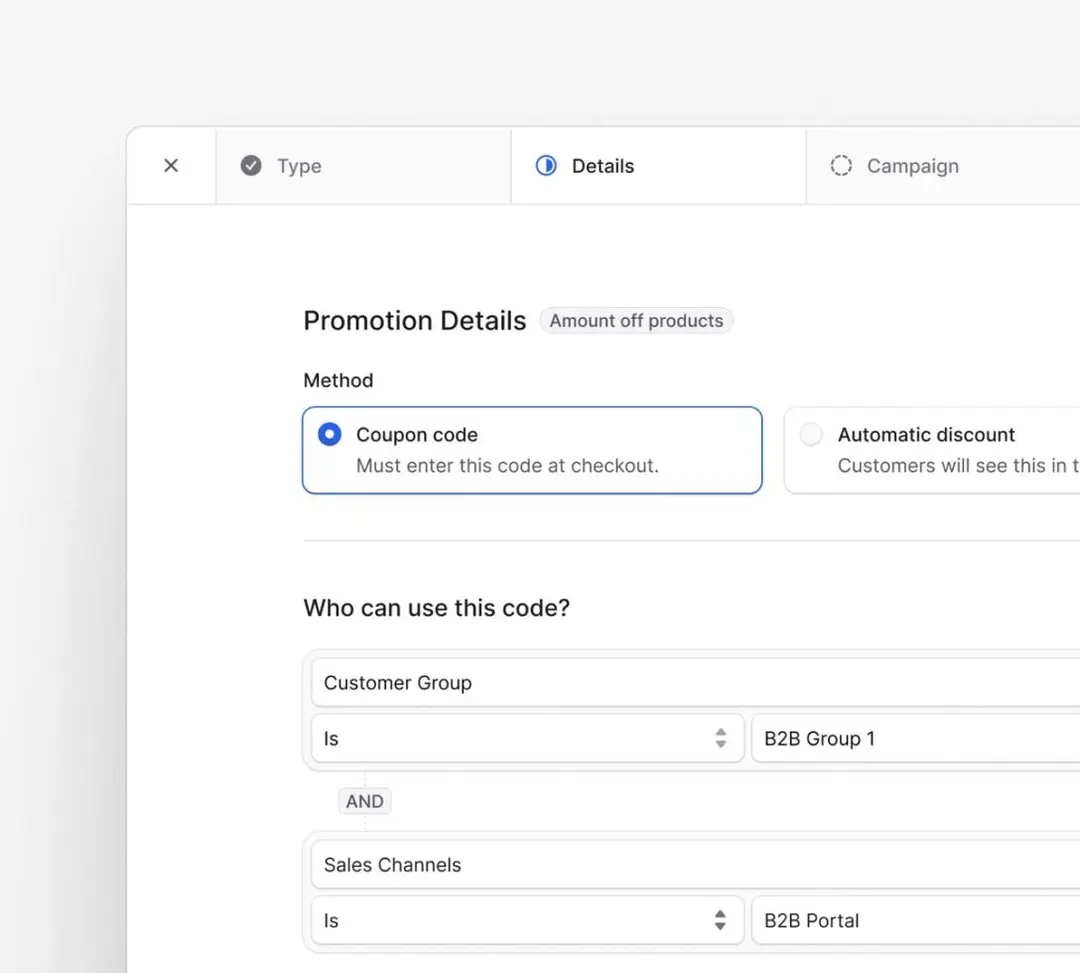
Build discount, cart, campaign, and checkout behavior that reflects your commercial rules instead of a template platform's limits.
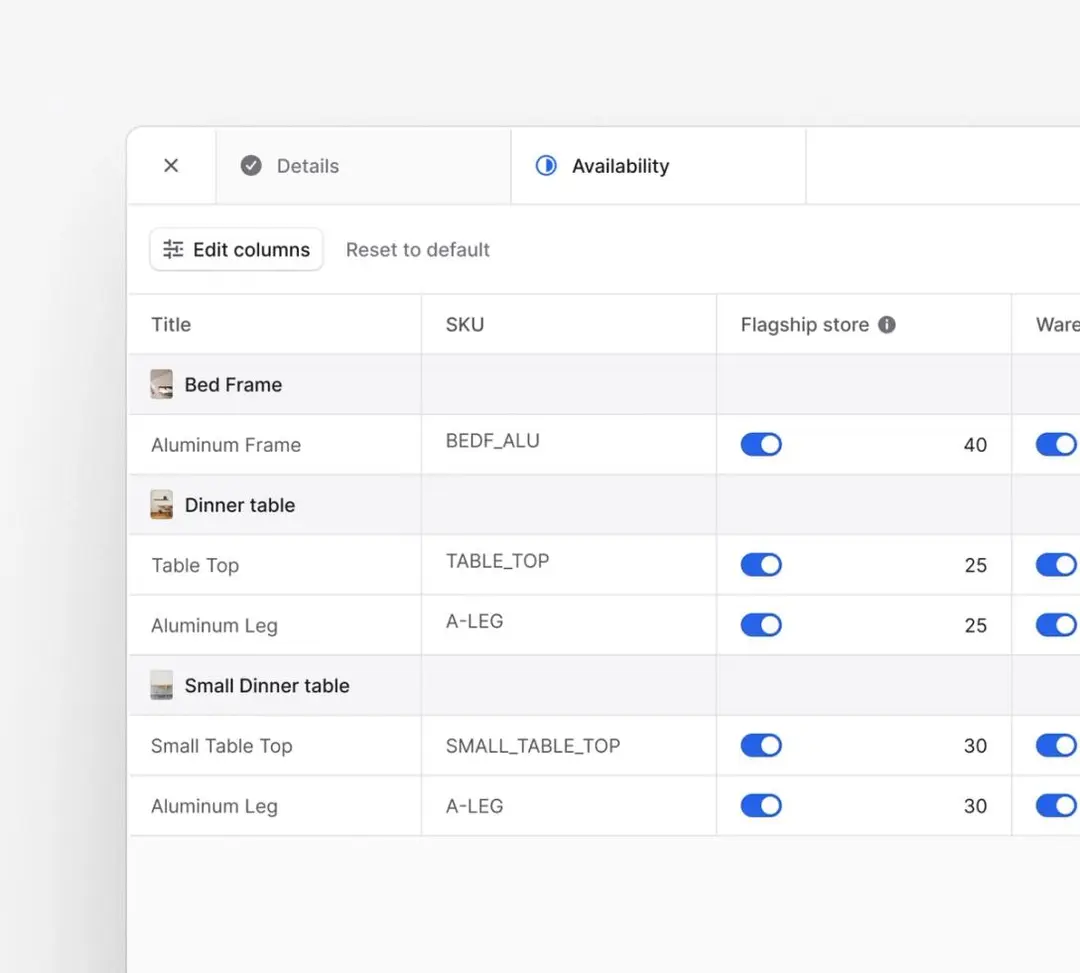
Connect stock, reservations, fulfillment locations, and warehouse workflows across regions and sales channels.
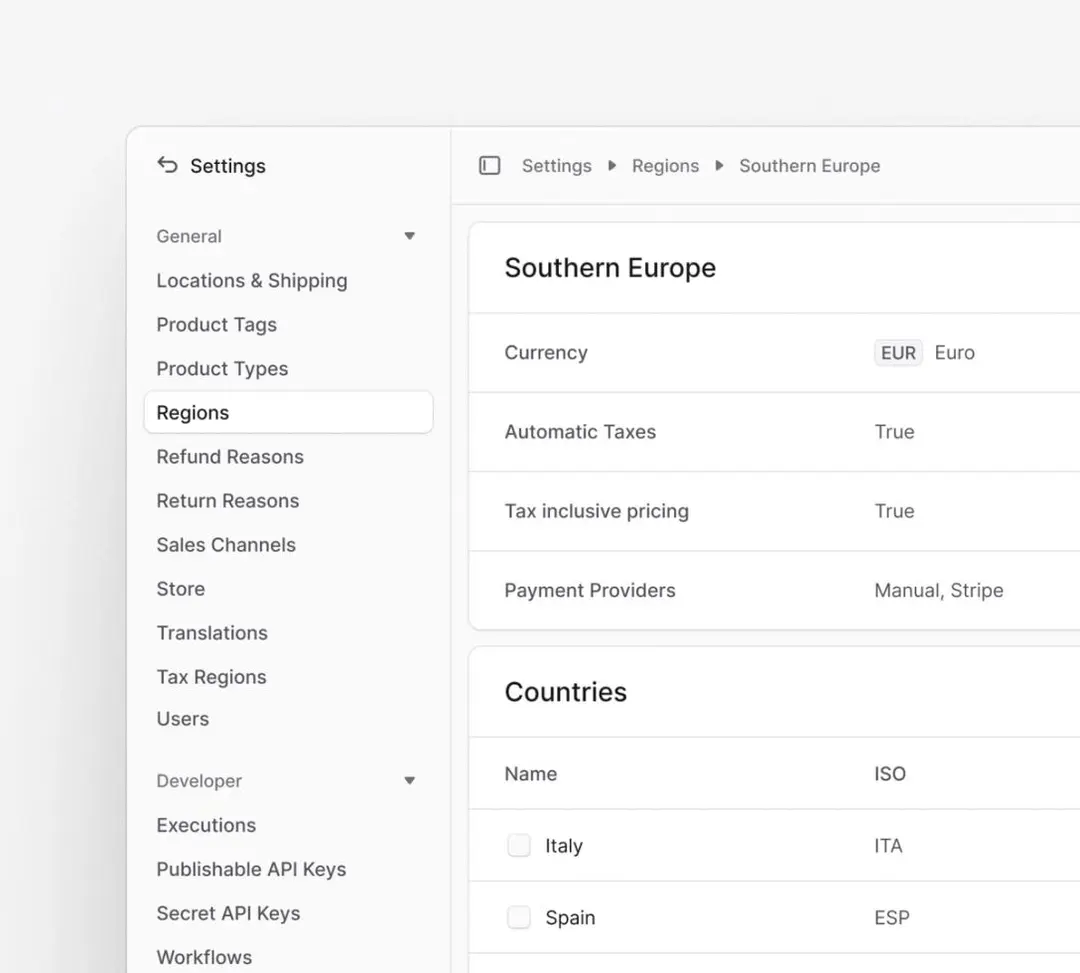
Support market-specific currencies, tax, shipping, content, and sales channels from a modular commerce backend.
A Medusa build should not be a black-box rewrite. We make architecture, data movement, integrations, release gates, and support responsibilities visible before launch.
Map commerce flows, platform limits, data, integrations, and launch risk.
Define modules, storefront APIs, checkout behavior, migration, and release sequencing.
Deliver backend work, storefront features, integrations, and admin workflows in releaseable slices.
Run migration checks, checkout regression, redirects, monitoring, and go-live support.
Maintain the platform, upgrade dependencies, improve performance, and ship new features.
New Medusa platforms, custom modules, storefronts, admin tools, and commerce workflow implementation.
Features
Shopify, WooCommerce, WordPress, or custom platform migrations with data validation and launch support.
Features
Production fixes, upgrades, performance work, integration support, monitoring, and feature delivery.
Features
Simple answers to what teams ask before starting a Medusa.js build, migration, or support engagement.